
US and Iraq Controversy Rising Tensions, Political Conflicts, and the Future of Middle East Relations
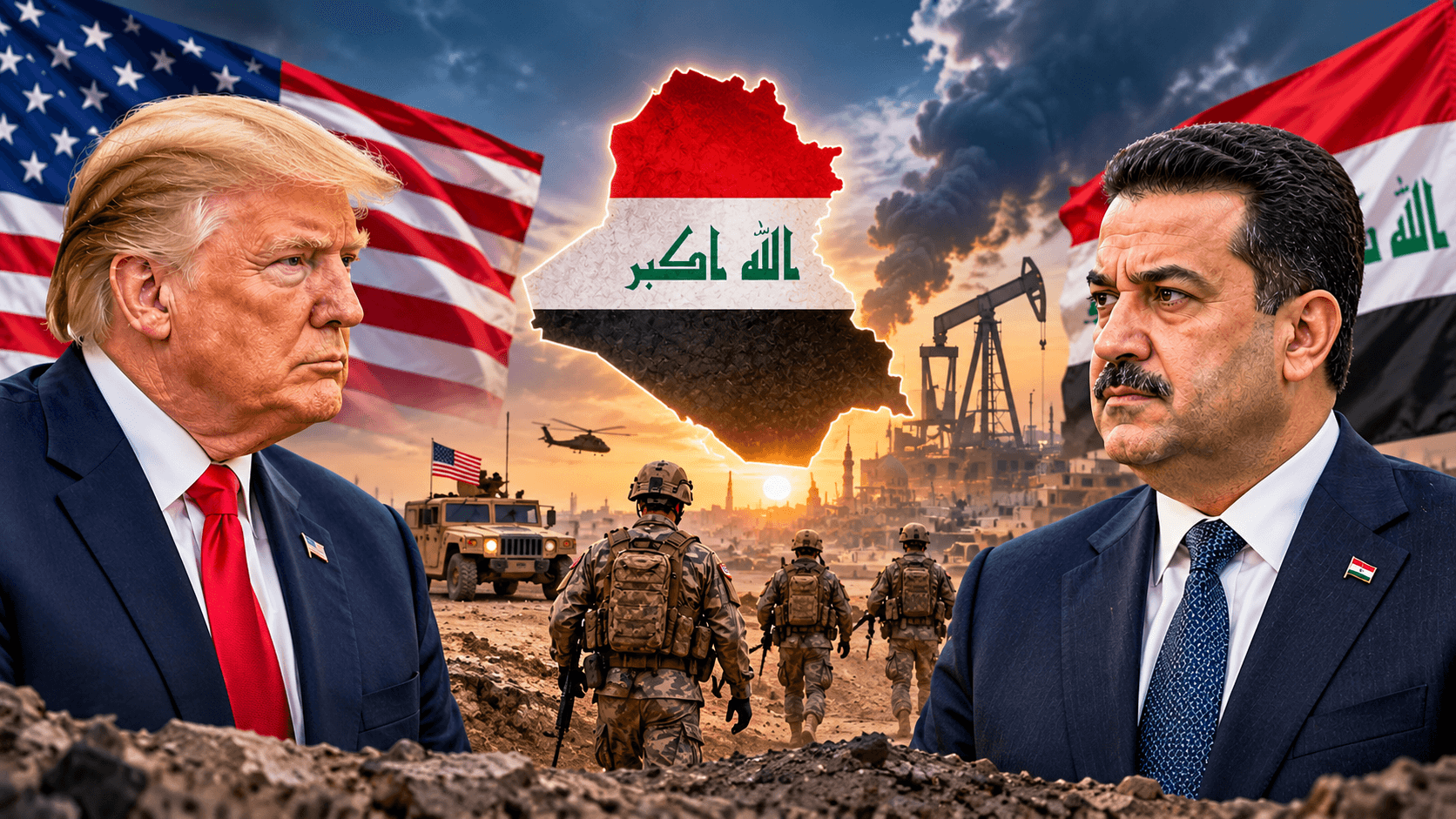
The United States and Iraq are facing another major diplomatic challenge in November 2026, as disagreements over armed militias, regional security, oil smuggling, and foreign influence continue to create uncertainty across the Middle East. The growing tension between Washington and Baghdad has raised important questions about Iraq's political independence, its relationship with Iran, and the future of US involvement in the region.
Recent developments suggest that the controversy is no longer limited to military cooperation. It has expanded into economic pressure, internal political disputes, and concerns about the growing influence of Iran-backed armed groups operating inside Iraq.
Why Are the United States and Iraq Facing Tensions in 2026?
The current US-Iraq controversy is closely connected to the broader conflict involving the United States and Iran. Iraq shares a border with Iran and maintains important political, economic, and security relationships with both countries.
Washington has repeatedly expressed concerns about armed groups operating inside Iraq that maintain close connections with Tehran. Some of these groups have been accused of targeting US interests and military facilities in the region.
The US government wants the Iraqi administration to bring these armed factions under direct government control. However, this remains a complicated political and security challenge for Baghdad.
According to recent reports, US officials have warned Iraq about possible consequences if armed groups continue operating independently and become involved in a future regional confrontation.
US Pressure on Iraq Over Iran-Backed Militias
One of the biggest issues behind the growing US-Iraq tensions is the presence of Iran-backed militias.
Groups such as Kataib Hezbollah and other armed factions have significant influence within Iraq's political and security environment. Washington considers their independent military activities a potential threat to American interests.
In November 2026, reports indicated that the United States had warned Iraqi leaders about possible military action against armed factions if they joined future hostilities alongside Iran.
The US has also reportedly raised concerns about Iraq's progress in bringing weapons under government authority.
For Iraqi Prime Minister Ali al-Zaidi, the challenge is to strengthen the country's national security institutions without triggering internal political instability or armed confrontation.
Iraq's Oil Smuggling Controversy Adds Another Dimension
Another major development involves allegations of illegal oil smuggling in Jurf al-Sakhar, an area associated with the Iran-backed Kataib Hezbollah group.
In November 2026, the Iraqi government launched an investigation into alleged oil smuggling operations and illegal refinery activities in the region.
Following the investigation, Prime Minister Ali al-Zaidi ordered the dismissal of nine senior security and administrative officials and referred individuals suspected of involvement to the judiciary.
The investigation has increased tensions between the Iraqi government and Kataib Hezbollah, which has denied involvement in the alleged smuggling activities.
This controversy is particularly important because oil represents a major source of Iraq's national revenue. Illegal oil trading can weaken government authority, damage economic stability, and create additional political challenges.
How the US-Iraq Dispute Could Affect the Middle East
The growing disagreement between Washington and Baghdad could have consequences beyond the borders of Iraq.
1. Increased Regional Military Tensions
If Iran-backed armed groups become directly involved in a renewed confrontation between the United States and Iran, Iraq could become another important location for regional military escalation.
2. Economic Uncertainty
Iraq depends heavily on oil exports. Regional instability, disruptions to shipping routes, and international political pressure could negatively affect oil revenue and economic development.
3. Political Instability Inside Iraq
The Iraqi government must balance pressure from the United States with domestic political interests and the influence of powerful armed factions. Any major confrontation could create additional internal instability.
4. Changes in US-Iraq Relations
The two countries have maintained security and economic cooperation for many years. However, disagreements over militia activity, foreign influence, and regional security could reshape their relationship.
Can Iraq Maintain Its Independence Between the US and Iran?
Iraq faces a difficult diplomatic position. On one side, the United States remains an important international partner with significant economic and security influence. On the other, Iran has longstanding political, economic, religious, and regional connections within Iraq.
The Iraqi leadership has repeatedly emphasized that Iraqi territory should not be used to launch attacks against neighbouring countries.
Prime Minister Ali al-Zaidi has also highlighted the importance of diplomacy, national sovereignty, and preventing Iraq from becoming a battlefield for external conflicts.
However, achieving this balance will require stronger government institutions, effective control over armed groups, and diplomatic engagement with both Washington and Tehran.
What Happens Next in the US-Iraq Controversy?
The future of US-Iraq relations will largely depend on how Baghdad handles the issue of independent armed factions and whether Washington continues its diplomatic and economic pressure.
The Iraqi government's investigation into oil smuggling, its efforts to strengthen state authority, and its position on regional military conflicts will remain important developments to watch.
For the United States, preventing attacks against its interests and limiting Iran's regional influence remain major priorities.
For Iraq, the primary objective is to protect national sovereignty, maintain economic stability, and avoid becoming directly involved in another regional war.
Conclusion
The US-Iraq controversy in November 2026 reflects a much broader struggle involving regional security, political influence, economic interests, and national sovereignty. Although both countries have reasons to maintain diplomatic and security cooperation, disagreements over Iran-backed militias and Iraq's internal political challenges continue to create serious obstacles.
Whether these tensions lead to further diplomatic negotiations or a deeper confrontation will depend on decisions made by leaders in Washington, Baghdad, and Tehran.
One thing is clear: Iraq's position in the Middle East will remain strategically important as the United States, Iran, and other regional powers navigate an increasingly complicated political environment.